
Cold Water Storage Vessel Cleaning & Chlorination Services
Professional inspection, cleaning, and disinfection of cold water storage vessels to control contamination risk and support compliant water system management.
What a Cold Water Storage Vessel Is
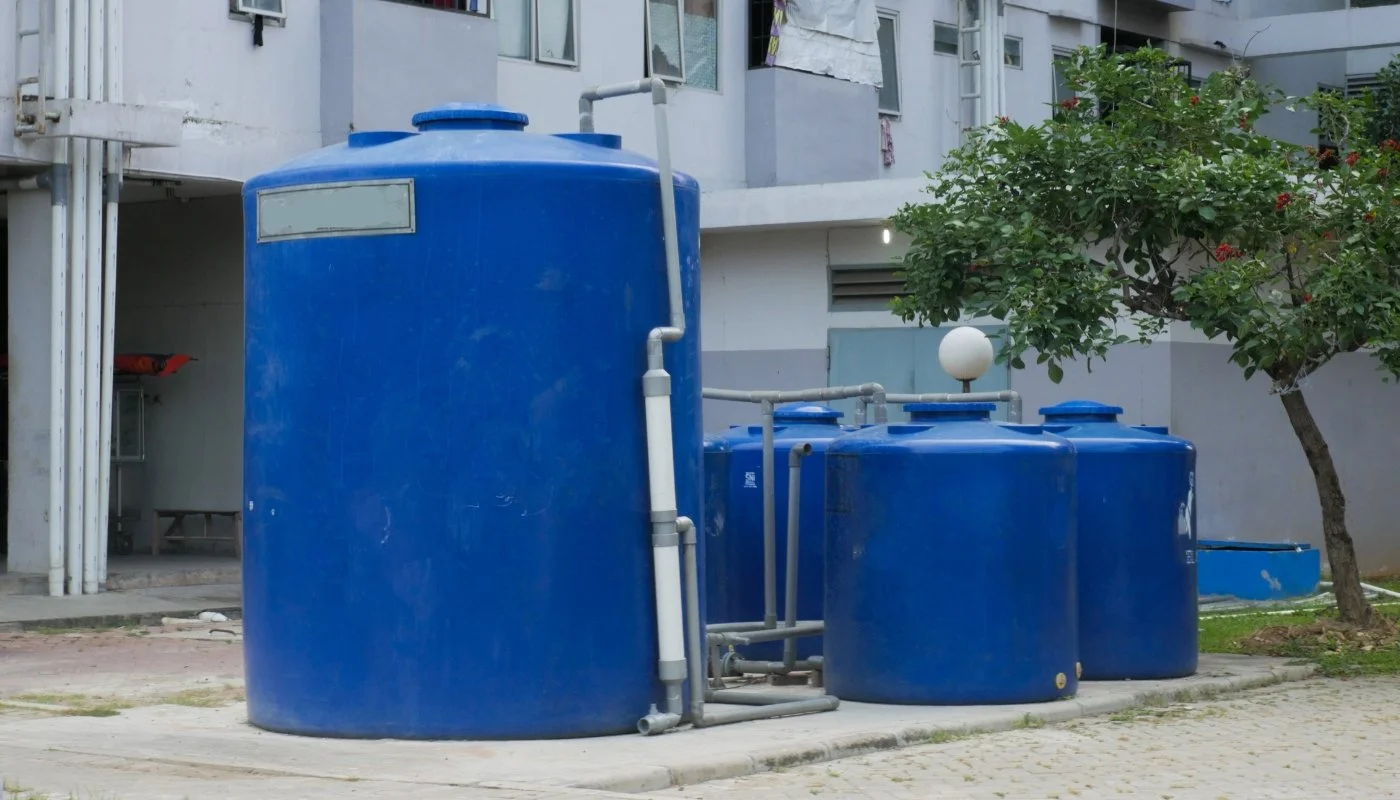
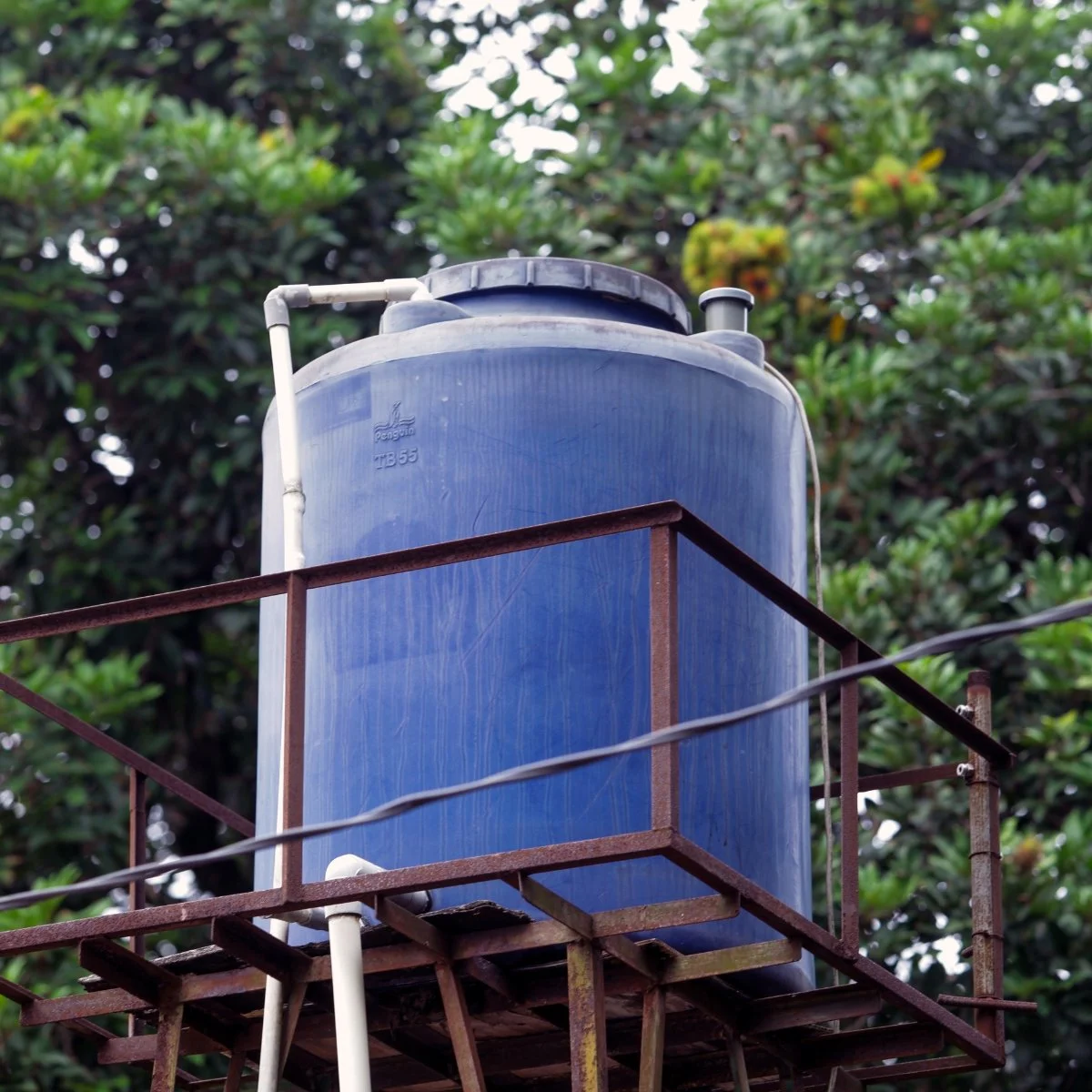
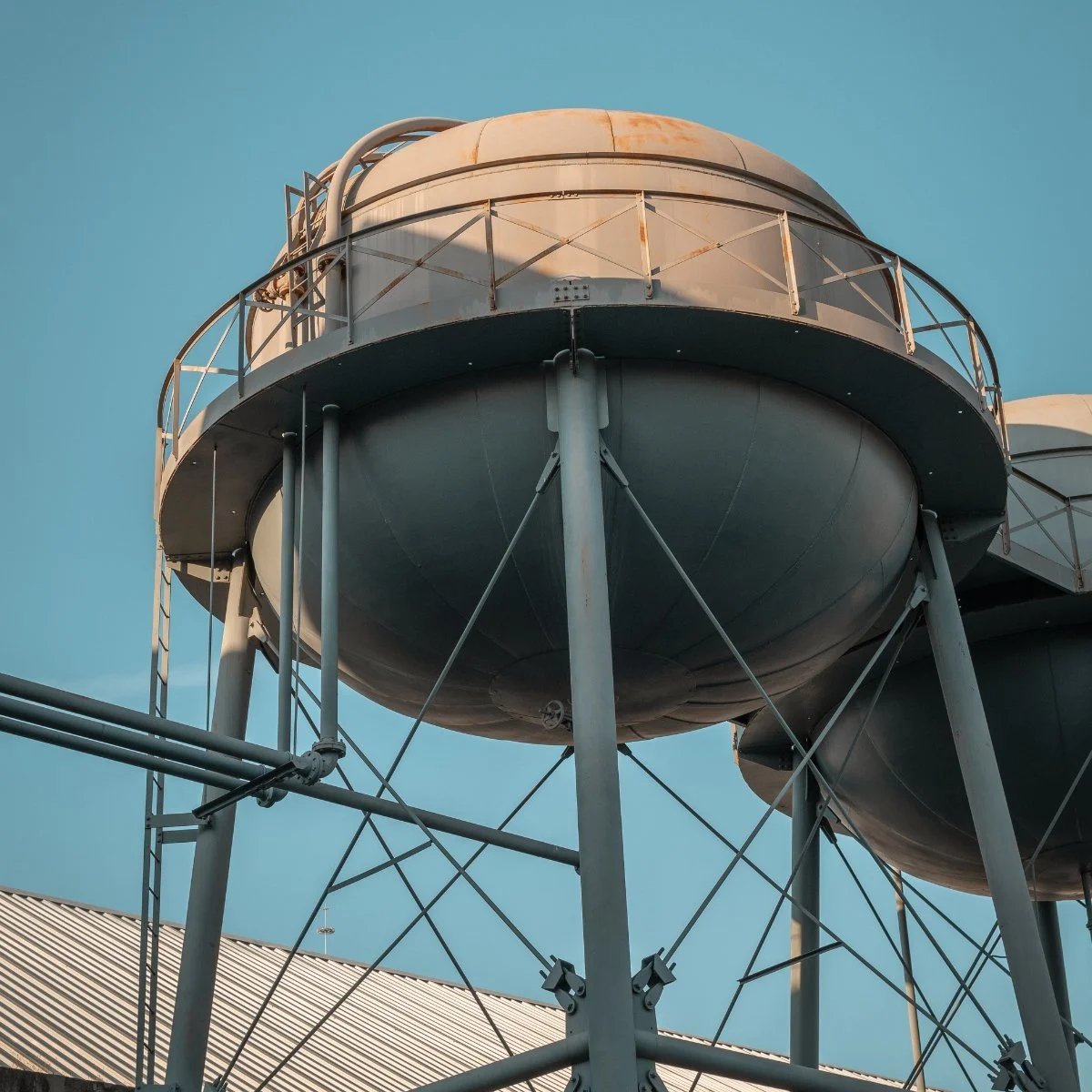
Cold water storage vessels (CWSVs), sometimes referred to as tanks or cisterns, store potable water before distribution throughout a building.
Because water is held rather than continuously refreshed, these vessels are vulnerable to:
Temperature rise
Sediment build-up
Microbiological contamination
If not maintained correctly, they can become one of the highest-risk components within a water system.
Routine inspection, cleaning, and chlorination are essential to maintain water quality and system integrity.
Why Cold Water Storage Vessels Require Cleaning & Chlorination
Over time, storage vessels can accumulate debris and contamination that compromise water quality.
Common issues include:
Sediment and biofilm build-up
Increased water temperatures due to poor insulation or location
Contamination from damaged lids, vents, or screens
Microbiological growth, including Legionella risk
Degraded coatings or structural defects
Cleaning and chlorination remove contamination and restore hygienic conditions within the vessel.
When Cleaning & Chlorination Is Typically Required
Cold water storage vessel cleaning and disinfection is commonly required:
As part of routine planned maintenance
Following Legionella risk assessment recommendations
After system contamination or failed samples
When vessels show visible sediment or fouling
After repair, modification, or prolonged shutdown
Prior to recommissioning or change of use
Frequency should be determined by risk assessment findings and system condition.
A Controlled, Compliant Method
Pre-Service Inspection & Risk Review
We assess vessel condition, access, and system configuration.
Mechanical Cleaning
Internal surfaces are cleaned using appropriate methods for the vessel type.
Internal Inspection & Debris Removal
Sediment, scale, and visible contamination are removed.
Isolation & Controlled Drain-Down
The vessel is isolated and drained in a controlled manner to prevent contamination.
Chlorination & Disinfection
Approved disinfectants are applied at prescribed concentrations.
Final Rinse & Refill
The vessel is flushed, refilled, and returned to service.
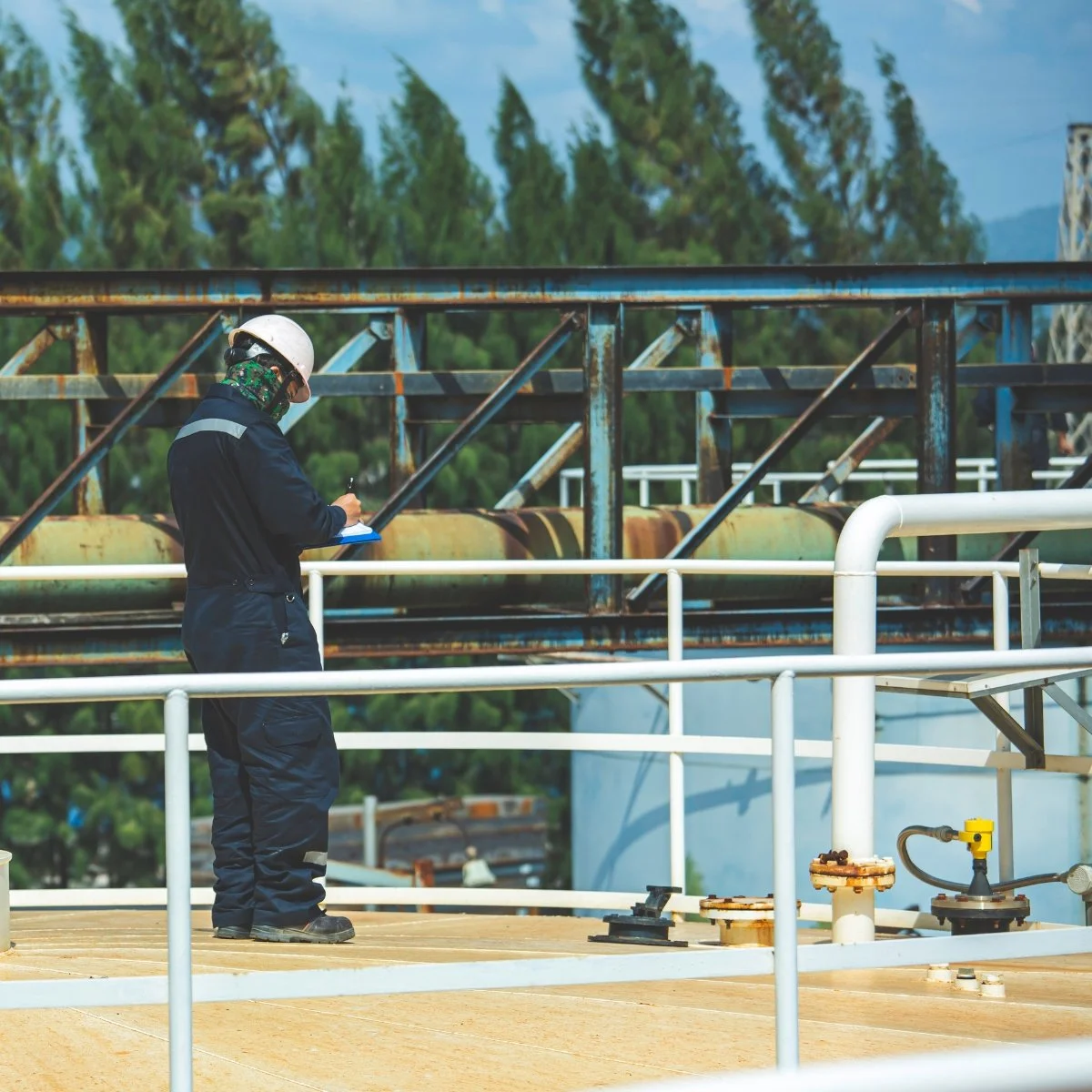
Chlorination & Disinfection Control
Chlorination is carried out using approved chemicals and controlled dosing.
This ensures:
Effective disinfection of internal surfaces
Control of residual contamination
Compatibility with vessel materials
Contact times and concentrations are managed carefully to ensure effective treatment without damage.
How to Arrange Vessel Cleaning & Chlorination
Initial Enquiry
Contact us to discuss vessel size, location, and system details.
1
Scope Confirmation & Quotation
We confirm access requirements and issue a clear quotation.
2
Scheduled Site Attendance
A qualified engineer carries out the works safely and efficiently.
3
Reporting & Aftercare Guidance
Documentation is issued with guidance on review and maintenance.
4
Audit-Ready Records
On completion, documentation typically includes:
Service report detailing works undertaken
Inspection findings and observations
Chlorination records and dosing information
Sampling results (where applicable)
Recommendations for ongoing management
All documentation is suitable for audits, inspections, and compliance review.
Who This Service Is For
This service is commonly used by:
Facilities and estates managers
Property and block managers
Commercial landlords
Healthcare and education providers
Hospitality operators
Duty holders responsible for water safety
It supports both operational reliability and regulatory compliance.