

Water Quality Monitoring Services
Our water quality monitoring in UK packages include routine sampling, trend analysis, and immediate alert reporting, meeting HSG274 requirements. Routine monitoring of water systems supports Legionella control, verifies system performance, and maintains documented compliance with UK guidance.
What Water Quality Monitoring Is
Water quality monitoring is the routine checking of water system conditions to ensure control measures remain effective over time.
Rather than a one-off activity, monitoring provides ongoing assurance that water temperatures, system operation, and hygiene controls remain within safe and acceptable parameters.
Its purpose is to identify early signs of deterioration or non-compliance before they develop into increased risk or system failure.
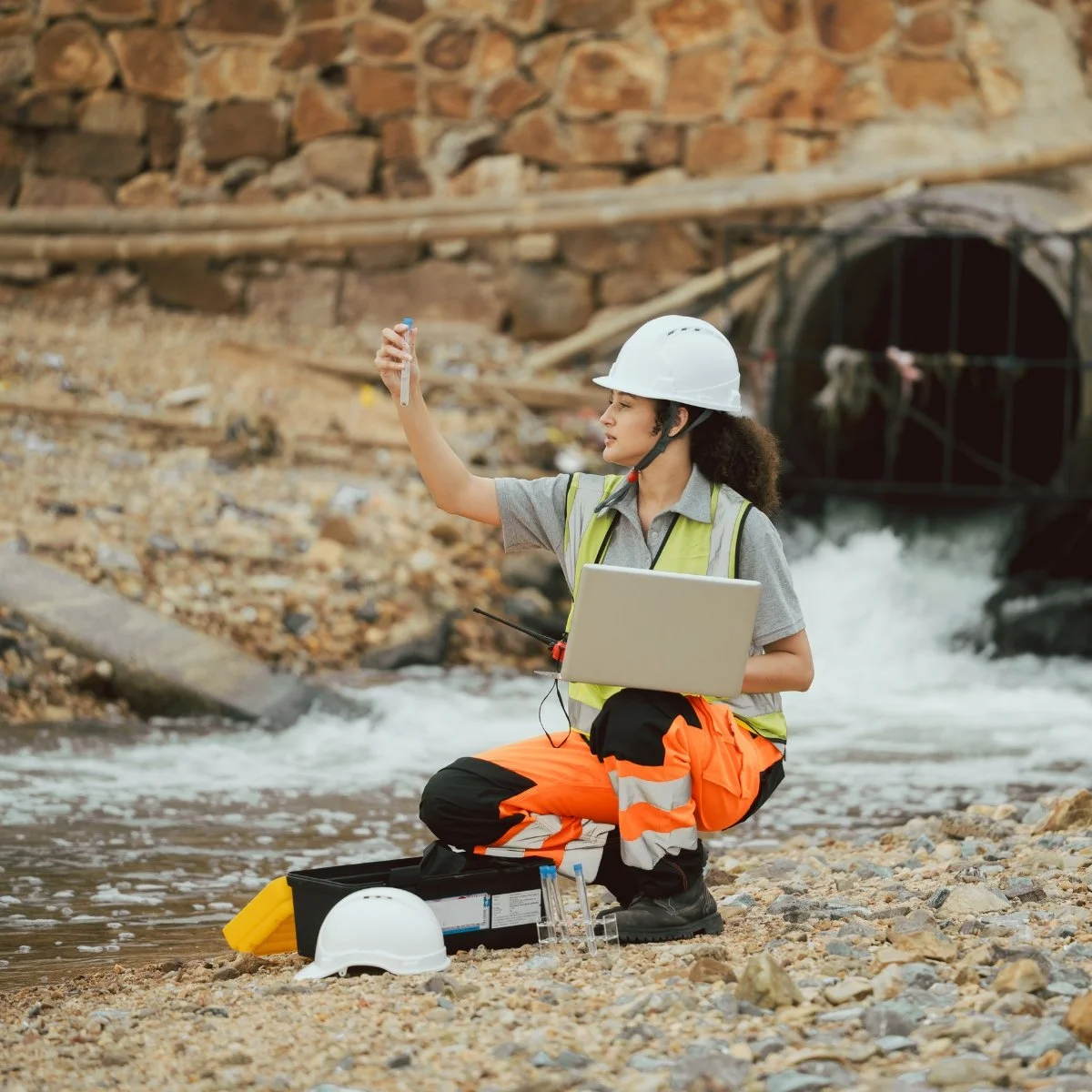
Why Water Quality Monitoring Is Required
Once a Legionella Risk Assessment is completed, duty holders are required to implement and maintain suitable control measures.
Without regular monitoring:
Conditions within water systems can drift outside safe limits
Control failures may go unnoticed
Compliance records become incomplete or outdated
Routine monitoring supports active risk management and demonstrates that systems are being properly controlled, not simply assessed once and forgotten.
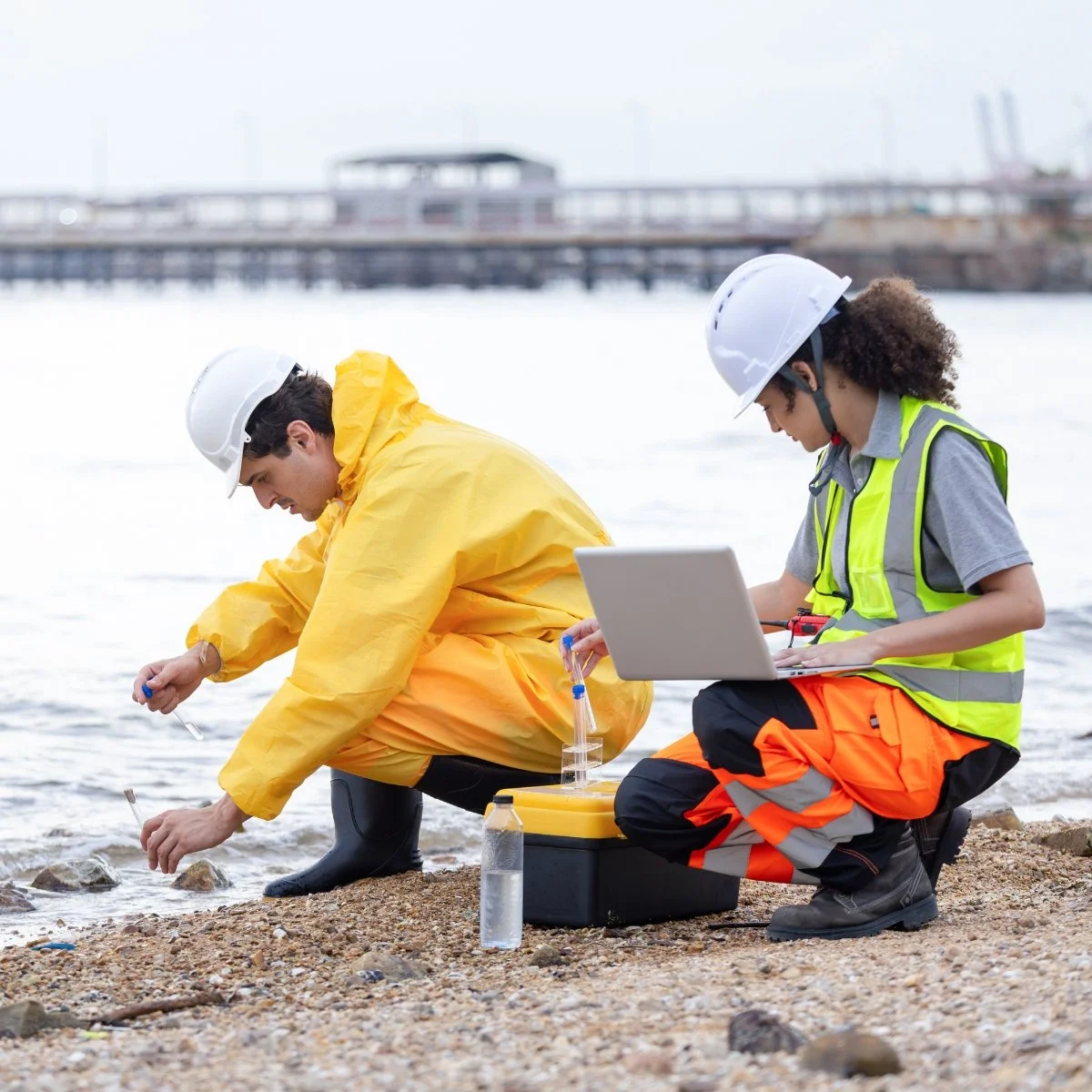
What Our Water Quality Monitoring Covers
Monitoring activities are tailored to the system and findings of the risk assessment, but typically include:
Hot and cold water temperature checks
Verification of control parameters
Identification of low-use or underused outlets
Flushing of infrequently used outlets (where required)
Visual checks of outlets and associated components
All observations are recorded clearly for compliance purposes.

Where Monitoring Is Typically Carried Out
Water quality monitoring is commonly undertaken across:
Commercial office buildings
Residential blocks and HMOs
Healthcare and education sites
Hospitality and leisure facilities
Industrial and operational premises
Any property with stored or distributed water will require some level of ongoing monitoring.

A Structured, Repeatable Approach
Review of Risk Assessment & Scope
Monitoring requirements are aligned with the site’s Legionella Risk Assessment.
Identification of Issues or Deviations
Any readings or observations outside recommended limits are noted.
Temperature & Condition Checks
Temperatures and system conditions are measured and recorded.
Scheduled Site Attendance
Monitoring is carried out at agreed intervals by a competent engineer.
Reporting & Record Update
Results are documented clearly for audit and review.

Water Sampling & Laboratory Testing (Where Required)
In some cases, monitoring may include microbiological sampling to verify system condition.
This may involve:
Collection of water samples from identified outlets
Analysis by UKAS-accredited laboratories
Reporting of results alongside practical guidance
Where results indicate further action is required, we provide proportionate advice on next steps.
How to Arrange Water Quality Monitoring
Initial Enquiry
Contact us to discuss your site and existing risk assessment.
1
Monitoring Scope Confirmation
We confirm frequency, locations, and reporting requirements.
2
Scheduled Monitoring Visits
Monitoring is carried out at agreed intervals.
3
Reporting & Record Delivery
Clear records are issued for your compliance files.
4
Alignment With UK Guidance
Our monitoring services are delivered in line with recognised UK water safety guidance, including:
ACoP L8
HSG 274
BS 8580-1 (where applicable)
We focus on practical implementation and proportional control, rather than excessive or unnecessary monitoring.
Who This Service Is For
Water quality monitoring is commonly used by:
Duty holders responsible for water safety
Facilities and estates managers
Health & safety managers
Property and block managers
Commercial landlords and business owners
It supports ongoing compliance and informed decision-making.